Machine learning is a subset of artificial intelligence Artificial intelligence that allows system to learn and improve from data without being explicitly program. In the context of marketing, ML algorithms analyze vast amounts of customer data to detect patterns, predict conduct, and automate decision-making.
Why Machine Learning Matters for Audience Targeting
Traditional audience segmentation typically depends on fixe attributes such as age, gender, or geographic location. While obliging, these factors alone don’t reveal customer intent or predict future actions.
Machine learning, on the other hand, allow marketers to:
Analyze real-time behavioral data
Predict future customer actions
Personalize contented at scale
Automate segmentation and targeting
User Segmentation
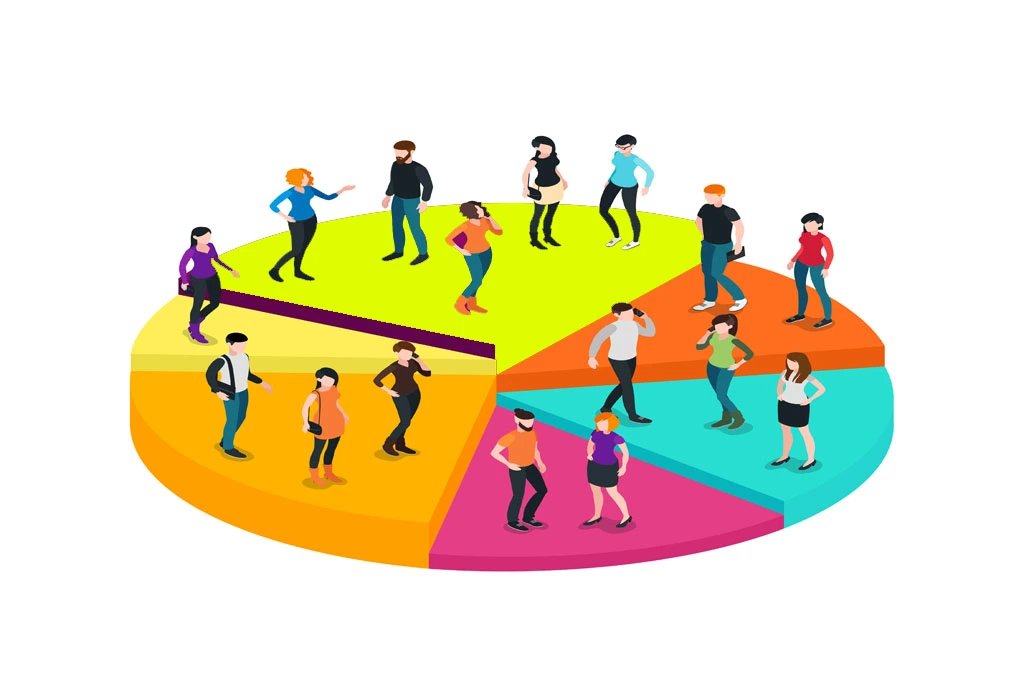
Machine learning models use clustering algorithms like (K-Means) and (DBSCAN) to segment users based on shared attributes or behaviors. This process is far more nuanced than traditional segmentation. For example, Machine learning might identify a hidden group of users who browse your site late at night and are highly likely to make a purchase within 24 hours. Traditional analytics might never catch that pattern. Once segmented, marketer can create personalized campaigns for each group, increasing relevance and performance.
Predictive Modeling
One of the most valuable benefits of machine learning is predictive Modeling. ML algorithms like decision trees, random forests, or neural networks can forecast future user actions.
Lookalike Audiences
Once you identify your best-performing customer segments, machine learning helps you find more people like them. This is known as look a like customizing. Using algorithms like logistic regression or deep learning models, machine learning can scan a broader population and pinpoint new potential customers who share similar traits with your existing high value users. Facebook Ads and Google Ads both use machine learning-driven lookalike models to help advertisers reach audiences that are more likely to convert.
Customer Segmentation
Rather than relying on broad categories, machine learning can cluster users into micro-segments based on behavior, browsing history, purchase patterns, social media activity, and more. This fine tuned segmentation make sure you are sending the right message to the right viewer at the right time.
Real-Time Personalization
Imagine showing a completely different version of your website or ad depending on who’s viewing it. Machine learning models can dynamically personalize content down to the product recommendations, email headlines, or even CTA buttons based on what’s most likely to convert each individual user.
Churn Prediction
Machine learning does not just help you find your ideal audience; it also help you keep them. Churn prediction models analyze behavior patterns that suggest a customer is likely to disengage or unsubscribe allowing marketers to proactively retain them through offers, reminders, or re-engagement campaigns.
Conclusion
In today data driven world, effectively targeting the right audience is no longer guesswork it’s a science powered by machine learning. By leveraging algorithms that analyze user behavior, preferences, and patterns, businesses can deliver hyper-personalized experiences that boost engagement and ROI. From customer segmentation and predictive analytics to recommendation systems and sentiment analysis, machine learning transforms how brands connect with their audiences.
ML audience targeting refers to the process of analyzing data through algorithms and identifying the most valuable customers to target in a marketing campaign.
ML assists by evaluating how users act, what preferences they have, and what trends are observed to figure out which group of users would be most attracted.