Why You Don't Get a Job Even after Having a Degree Understand the real reason

Know the answers through this blog of the questions that are important for your career, and these questions are faced by most students
- You have a degree but no job?
- You’ve completed your graduation
- You have your mark sheet, and all certificates
- You keep getting rejected in interviews
So the question is “Where is the problem? Is a degree not enough in today's times?
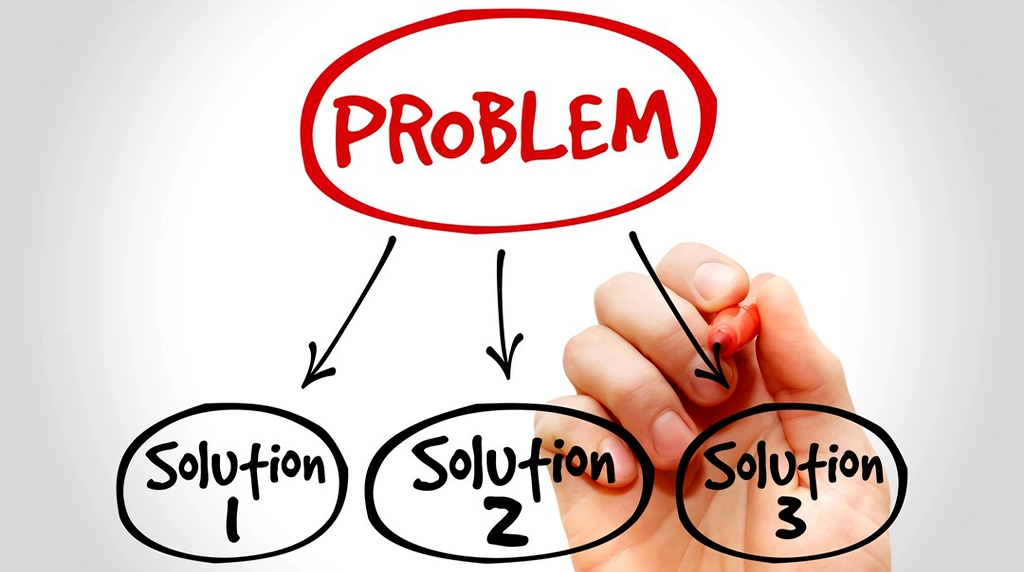
If you’re a student, a fresher, or want to grow your career, go through this blog step-by-step as you’ll know:
- The real reason millions of graduates struggle to find jobs
- What skills can help you build a better career?
In this blog, we will discuss about that millions of students complete their degrees with good marks, but still they do not get a good job. So this is very important topic of today, therefore read the complete blog. Because when students do not get a good job, then they think, “Is there any value in their degree or not?” But the reality is different. Today we will know everything about
Section 1: Why isn't just a degree enough?

Earlier, it was believed that if you had a graduation degree, you had knowledge and you would get a job. But hiring trends have changed, and companies today don’t just look at your degree. Companies look at:
- Can you do the job?
- Do you have practical knowledge?
- Can you solve problems?
- Can you work with a team?
This means that today a degree is just the first step in your career, not the entire career.
Section 2: The First Major Reason for Not Getting a Job—Lack of Practical Skills

The biggest problem for many students is that they have studied theory but have not done practical work.
For example:
A company won’t be interested in hiring a student if he has completed a computer course but he is not able to:
- Do real work
- Use professional software tools
- Understand industry workflow
Section 3: The Second Reason—Gap between Industry Demand and Student Skills
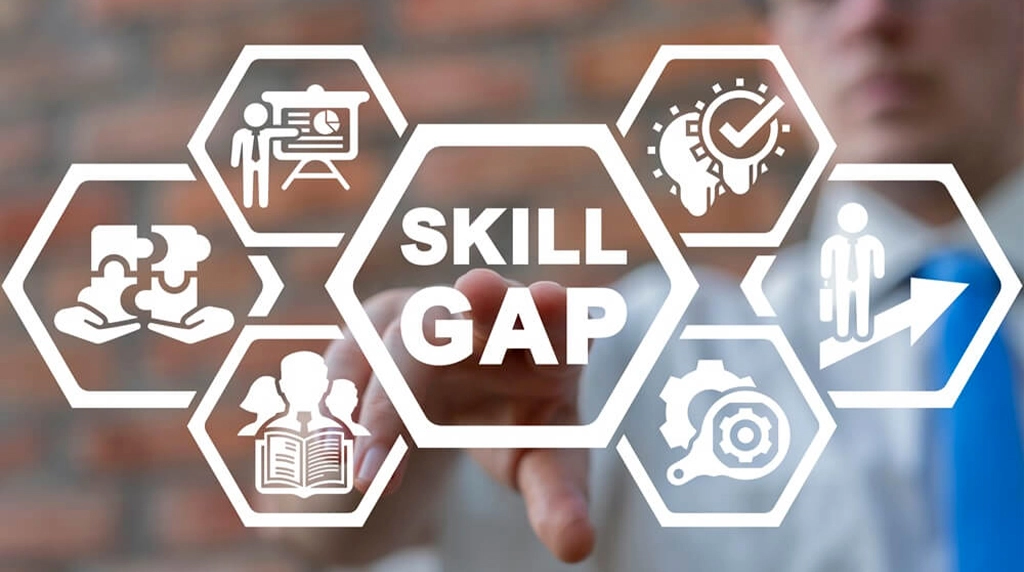
Today, technology is changing and growing rapidly like
- Artificial Intelligence
- Digital Marketing
- Data Analytics
- Cloud Computing
But many students are still limited to outdated syllabi. The important thing is not completing degree only rather it’s all about you learn skills to match market requirements.
Section 4: Third Reason — Lack of Communication and Professional Skills

Communication skills and confidence are crucial for you because you will need to explain your technical knowledge to crack the interview. Not only is working in companies important, but also:
- Proper Communication
- Confidence
- Teamwork
- Time Management
- Professional Behavior.
If you can present and explain your skills with confidence, you have a high chance of being selected for a good post in a company. Therefore, Communication and Professional Skills are important to crack any interview.
Section 5: Fourth Reason — Lack of Experience

Many freshers think that experience will come after getting a job. But today, it’s not necessary to wait for a job to gain experience. You can build experience by:
- Doing internships
- Doing live projects
- Freelancing
- Undertaking practical training
Real work experience builds trust, and you can be the first choice for a company.
Section 6: What to do to get a job these days?

If you really want to make your future bright, then focus on and adopt these things while pursuing any degree:
- Learn industry-relevant skills
- Develop practical projects
- Improve communication
- Develop resume and interview skills
- Continue learning new technology
Remember that a degree allows you to sit for an interview, but skills will bring a job for you.
DOTNET Institute Career Message
The Aim of DOTNET Institute is not to complete a course only rather, we focus on making students industry-ready. Our professional courses focus on:
So that students can access better career opportunities.
_____________________________________________________________________________________________________
I assure that in the future, only those students who have real skills along with a degree will progress. If this blog helpful for you then please share it with your friends so that they can also get the right career direction.
Why don’t you get a job even after having a degree? To get answer this question in this blog, we learned that:
- Why is just a degree not enough?
- What problems do freshers face in getting a job?
- What are the demanding skills of companies currently?
- Why are practical skills and industry knowledge important?
- What should students do for career growth?
In the present trending job market, look at these things along with your degree:
- In-demand skills
- Practical knowledge
- Professional behavior
- Confidence
- Communication skills
The aim of DOTNET Institute is to prepare students not just for a course but for career growth by building the above skills. Therefore, join DOTNET Institute soon, whether you are a student, a fresher, or want to improve your career.
FAQs: Why You Don't Get a Job Even after Having a Degree Understand the real reason
A degree proves that you completed an academic program, but employers also look for practical skills, communication, problem-solving, digital knowledge, and the ability to work professionally. If your resume shows qualifications but lacks projects, relevant skills, or practical experience, you may struggle to stand out in a competitive job market.
Many graduates focus only on completing their degree and start job hunting afterward. The real mistake is delaying skill development until graduation. Employers expect candidates to demonstrate what they can actually do. Building practical skills, working on projects, gaining experience, and developing professional confidence should begin alongside college.
Having skills is not enough if you cannot communicate your value. Employers evaluate your resume, interview performance, communication, confidence, problem-solving ability, and professional attitude. A candidate may possess technical knowledge but still lose opportunities because they cannot clearly demonstrate their abilities or connect their skills to the company’s requirements.
Employers increasingly value a combination of technical and professional skills. Depending on the role, this can include Excel, digital tools, AI tools, communication, data handling, problem-solving, teamwork, and industry-specific knowledge. Candidates who combine their academic qualification with practical, job-relevant skills often have a stronger advantage during recruitment.
Start by identifying the skills required for your target career and build them through practical learning. Create real projects, develop a strong resume and portfolio, improve communication, learn relevant digital and AI tools, and gain experience through internships or practical assignments. Your degree opens the door; your skills help you enter.