How the Right Professional Course Provides Value to Your Career
Same certificates, same degree from the same school or college, but why the difference at the time of hiring? Where does the difference lie? Often, the difference lies in:
- Professional skills
- Practical knowledge
- And the right career direction
You will know everything about “how the right professional course can provide value to your career” in this blog with a complete career direction. So, go through the blog till the end, as you will get an offer from DOTNET Institute.
Hello! I’m Surendra. Welcome to the DOTNET Institute blog. We post the blogs related to:
- Careers, and Jobs
- Professional skills
- Computer education, and AI.
At DOTNET Institute, the best thing that our aim is not just to complete the courses of the students, but also we focus on making their career in computer, AI, and industry-relevant professional skills.
SPECIAL OFFER
If you read the whole blog step by step, then you will get a special learning opportunity at the end, and you will get to know: “How to choose the right professional course for your needs.
This blog is most important for those who still have fog in their brain about:
- Your career direction
- Which skills to learn
- Which professional course is right for you?
- And where to start
INTRODUCTION
Now the question is—Professional Courses, after all? What is it?
Professional Courses means “a skill-oriented program that helps you develop practical knowledge and job-relevant skills for a specific career field.
Remember that: A degree may qualify you but it’s your skills that define your market value. And in today’s competitive job market, this combination has become very important “Degree + Professional Skills + Practical Experience + AI Skills.”
POINT 1: RIGHT COURSE GIVES CAREER DIRECTION

The right career direction is the first most important point. If any student is clear about what to learn to make a career, then every student will succeed in their life. For example—
- Digital marketing course can work for those who like the marketing field
- Designing lovers can work in Graphic designing field after the course
- E-accounting and banking can useful for those who like accounting and finance field
- The base of any field should be strong, so the ADCA course is the best to start in computers.
So the first question is not that ‘Which is the best course?’ the correct question is that ‘Which course is the right one for my career goal?’
POINT 2: SKILLS MAKE YOU JOB-READY
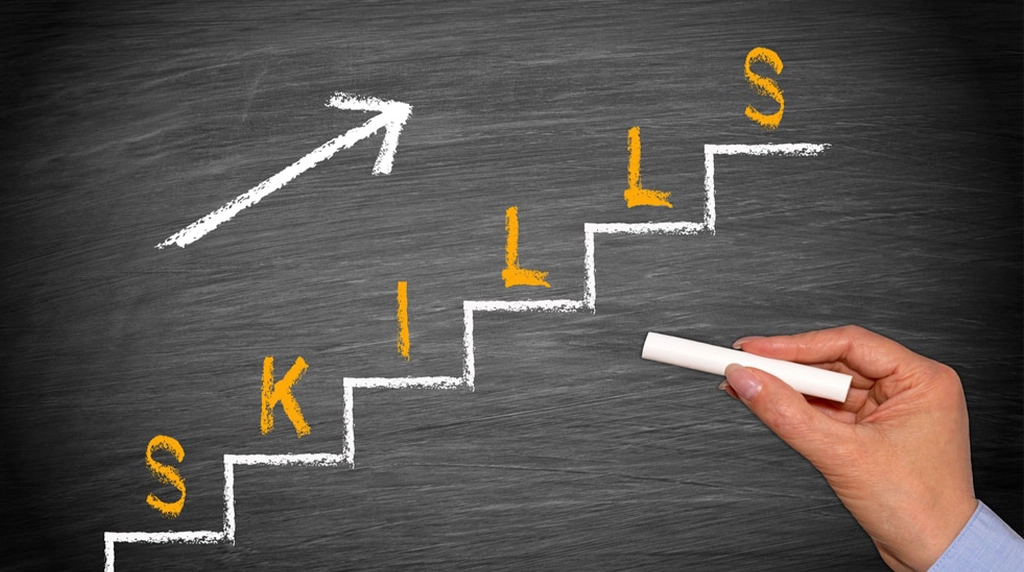
“The second important benefit is job-ready skills.
Getting any course certificate is not a guarantee of a job; rather, you need practical knowledge to perform well in interviews, as the company will ask more about your skills or practical. A good professional course teaches you to focus on theory as well as practical application.
For example—
- A Digital Marketing student should not only know the definition of Digital Marketing, but also learn to practically use campaign planning, content creation, analytics, and AI tools.
- A Graphic Designing student should not only know the names of tools, but can also create actual designs and portfolio projects.
- Accounting students should not only study accounting concepts, but also understand practical accounting software, GST-related work, and reporting.
This is the difference between completing a course and developing skills.
POINT 3: AI MAKES PROFESSIONAL SKILLS MORE POWERFUL

Now the third thing is very important—AI skills.
There is almost every professional field influenced by AI. So, in the future, simply saying, “I know digital marketing,” will not be enough. Instead, “I know how to use AI in digital marketing. Similarly,
- If you are in design, learn AI-assisted design tools.
- If you are in accounting, understand AI-based productivity and data tools.
- Have basic knowledge about AI tools and automation by Computer professionals will necessary.
Therefore, when choosing a professional course today, make sure to check one thing: “AI with practical skills should be in course content”. This can make you more of a future-ready professional than a traditional learner.
POINT 4: PROJECTS & PORTFOLIO
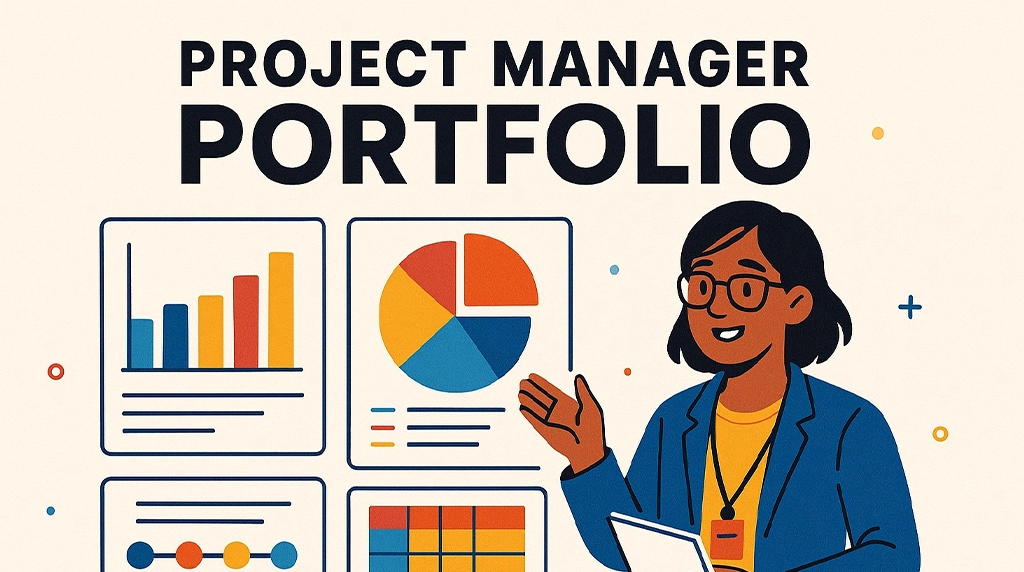
The fourth factor is projects and portfolios.
Showing a course certificate to a recruiter will not work in the better way, but the project you made, your portfolio, and practical you done make your profile more convincing to a recruiter. So, when choosing a professional course, ask yourself:
- Will I get practical assignments?
- Will I be creating live or mini projects?
- Will my portfolio be ready?
- Will I able to explain my developed skills?
Remember that today’s trend is that knowledge alone will not work to make career, candidates need proof of in-demand skills.
POINT 5: COURSE SHOULD BUILD CONFIDENCE

And the fifth point is—Confidence.
Good professional training doesn’t just improve your knowledge. It also improves your confidence. That means when you:
- Complete a task yourself
- Create a project
- Learn to explain your work
- Practice interview questions
So, your confidence naturally grows. And this confidence plays a very important role in interviews. So, the objective of right professional course is not just to add a certificate.
The objective should be—Learn → Practice → Create → Present → Perform.
HOW TO CHOOSE THE RIGHT PROFESSIONAL COURSE
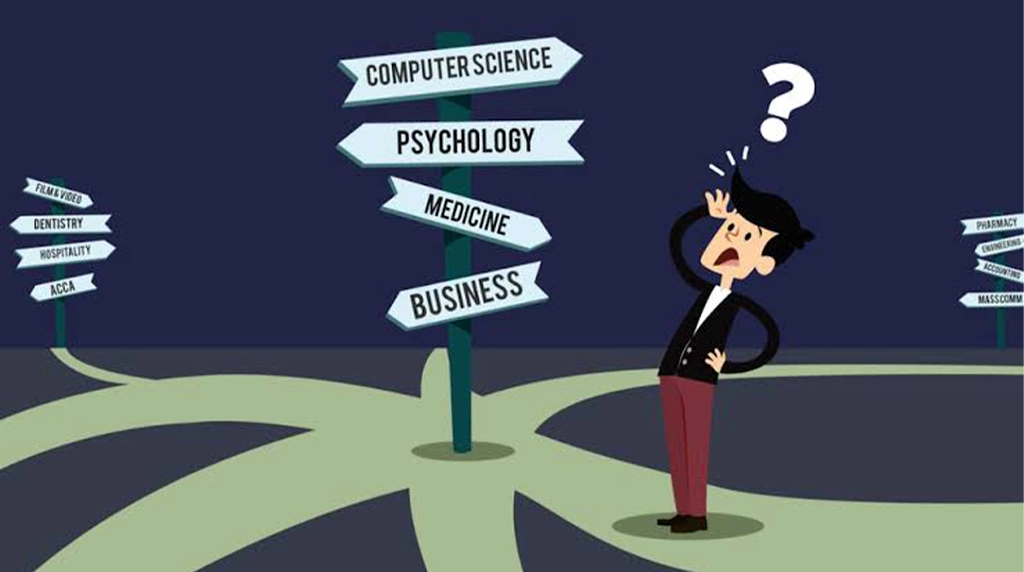
Are you going to choose a professional course? Please ask these questions yourself:
- Number 1: Is this course relevant to my career goals?
- Number 2: Does it include practical training?
- Number 3: Does it include projects and a portfolio?
- Number 4: Does it include AI tools and modern technology?
- Number 5: Does the trainer provide practical guidance?
- Number 6: Is there career guidance or placement support after the course?
- Number 7: Does the institute only provide a certificate or focus on actual skill development?
The course you are going to do is perfect for you if the answers to these questions are positive.
CAREER FORMULA
So if I were to explain the entire blog in a simple formula, remember—
- A degree gives you foundation.
- A professional course gives you direction.
- Practical projects give you experience.
- AI skills give you productivity.
- A portfolio gives you proof.
And the combination of all these can make you a more career-ready professional.
SPECIAL OFFER REVEAL
And now, let’s talk about the special offer I promised at the beginning of this blog. If you are still confused about:
“Which professional course is right for me? Then:
Join from DOTNET Institute free Career Guidance and Counselling Session on the 3rd Saturday of every month at 10:00 AM available both online and offline. These demo session will be as per your needs.
Take Away Points
If you found this blog useful, please share it with any student or fresher who is confused about their career. And if you want us to write more blogs on career and professional skills, please write in comments below and subscribe for notifications.
Get to know about these courses step by step details with DOTNET Institute website, Mobile app, and YouTube Channel.
- Computer course
- Professional course for career
- Best professional courses
- AI courses
- Skill development courses
- Job oriented courses
With DOTNET Institute – Learn Skills. Build Career.
FAQs: How the Right Professional Course Provides Value to Your Career
The right professional course bridges the gap between academic knowledge and workplace expectations. It helps you develop industry-relevant skills, improve confidence, and understand real business requirements. Instead of simply collecting certificates, you gain practical knowledge that prepares you for better career opportunities and long-term professional growth.
Professional courses provide structured learning, expert guidance, and practical exposure that can accelerate your development. Rather than spending months figuring everything out independently, you follow a focused learning path. This helps you build essential skills, avoid common mistakes, and become better prepared for professional responsibilities.
Absolutely! Employers often look for candidates who combine educational qualifications with practical skills. Courses in Advanced Excel, Digital Marketing, Accounting, Graphic Designing, and AI tools can strengthen your professional profile. The right training helps demonstrate your abilities and prepares you to handle real workplace challenges confidently.
Technology is continuously changing workplace requirements. Professional courses that include AI tools, automation, and digital skills help learners adapt to modern industry demands. You can improve productivity, complete tasks efficiently, and develop a competitive advantage. Continuous learning ensures your skills remain relevant as professional opportunities evolve.
Start by identifying your career goals, interests, and the skills employers demand. Choose a course that offers practical assignments, industry-relevant tools, expert guidance, and real-world learning opportunities. Remember, the best course is not necessarily the most expensive one; it is the one that delivers meaningful professional value.